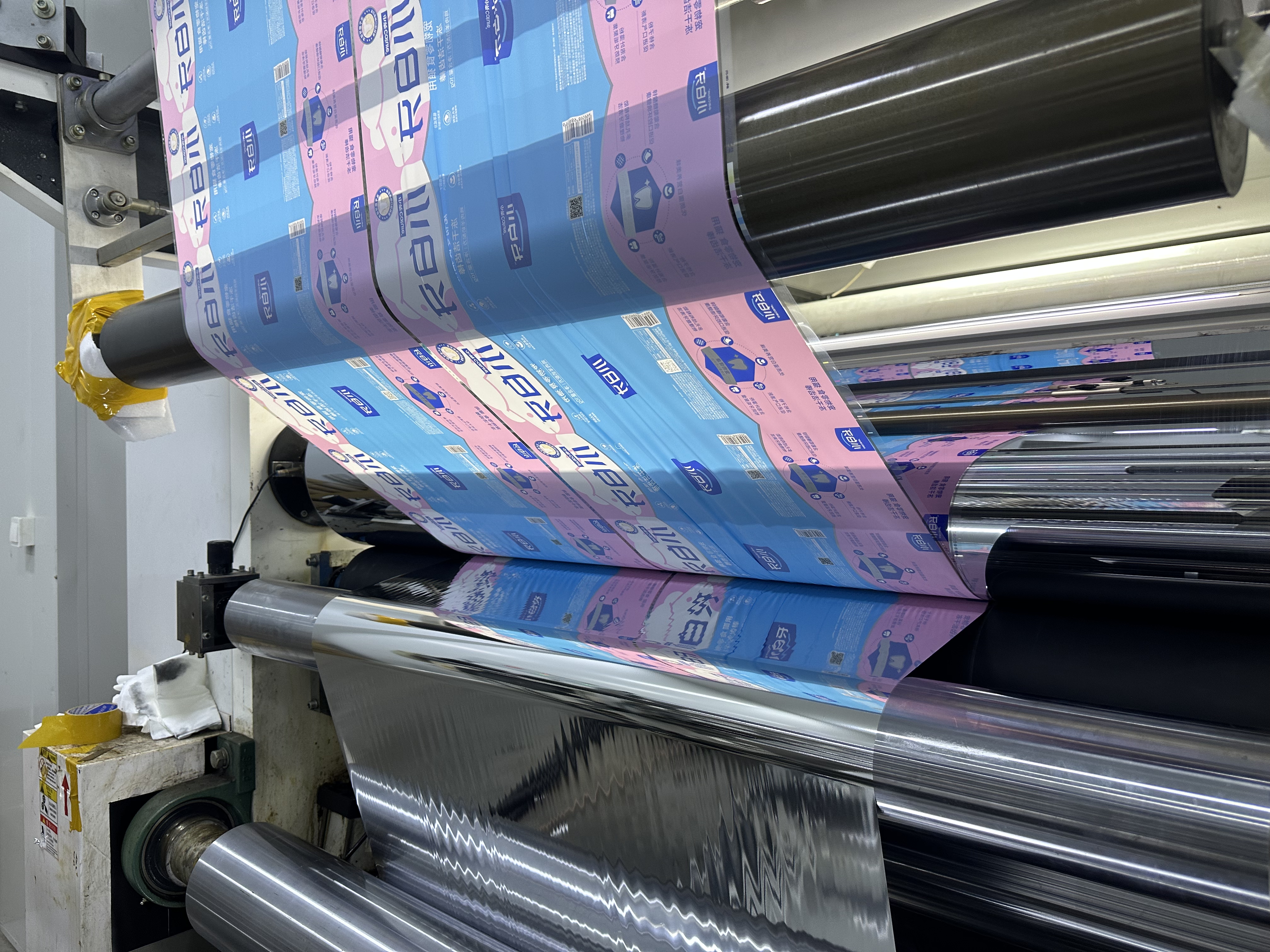
Nuts and dried fruit often share an aisle and sometimes a single pouch, but they do not react to storage conditions in the same way. A sound food packaging specification begins with the product's most likely quality failure, then works backward to material, bag construction and testing.
This guide is an original buying framework informed by industry and testing sources. It does not prescribe a universal laminate or promise a shelf life. Those decisions need product trials and measurements under the conditions in which a package will actually be filled, shipped and sold.
Different products, different risks
Why nuts need attention to oxygen
Nuts contain natural fats. When those fats react with oxygen, the product can develop unwanted flavours and lose quality. Roasting, coatings and the intended time on shelf can change the protection needed. In its technical discussion of snack packaging, Amcor identifies roasted and coated nuts as particularly demanding and explains that even fresh nuts and seeds may need a high oxygen barrier. The useful question is not simply whether a film is called “high barrier”; it is whether its measured performance supports the specific nut, process and shelf-life target.
Why dried fruit needs attention to moisture
Dried fruit is a different problem. A change in moisture can change texture and eating quality, so water-vapour control often matters more than the same level of oxygen resistance required for fatty nuts. Some products are meant to remain chewy, while others should stay distinctly dry. The desired moisture range and storage climate therefore belong in the packaging brief. In a fruit-and-nut mix, both oxygen and moisture may matter; the ratio of ingredients and the most sensitive component should guide the test plan.
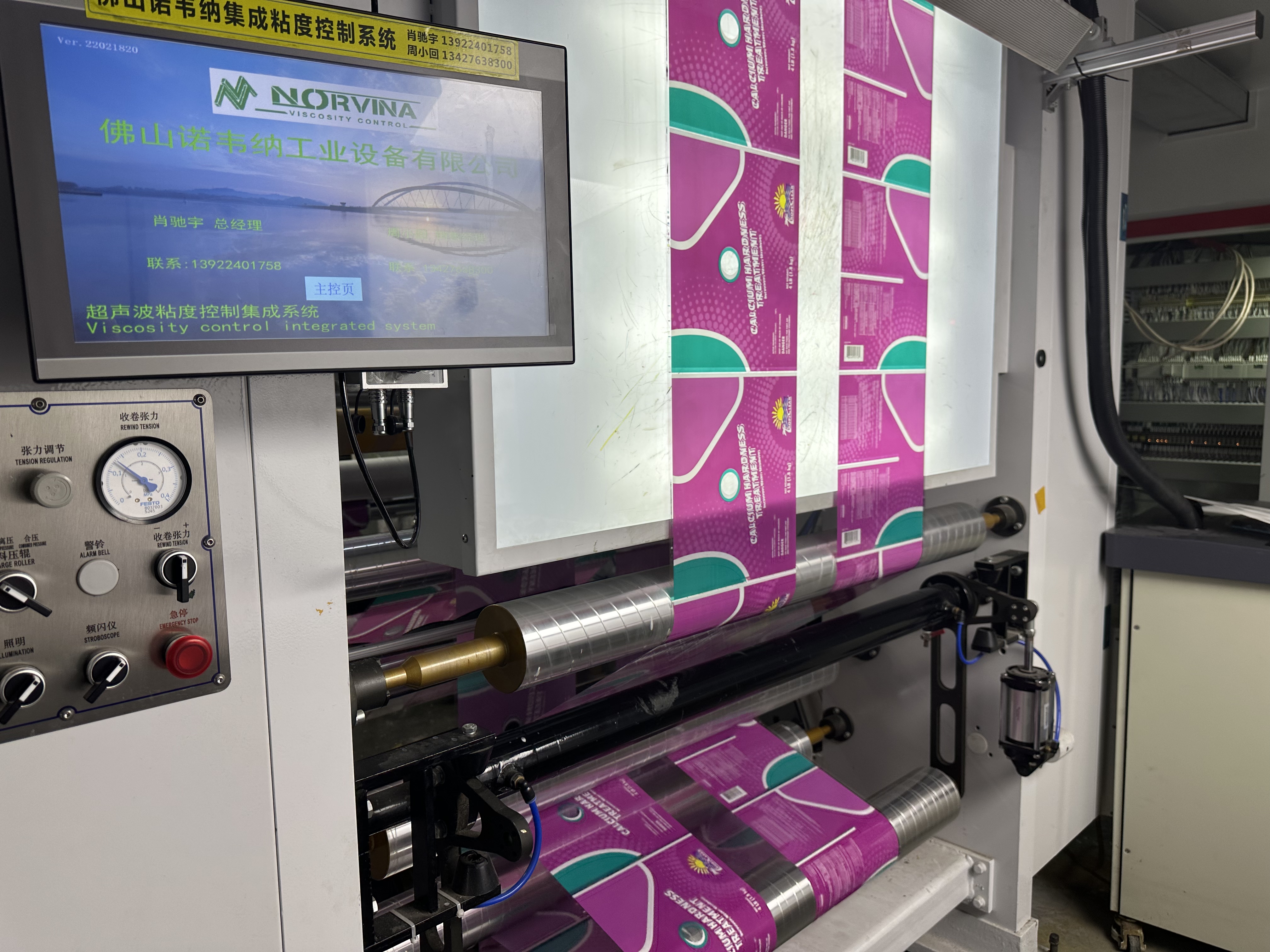
Read barrier data before choosing a food packaging film
What OTR and WVTR tell you
Two measurements make material discussions more precise. Oxygen transmission rate, or OTR, describes how much oxygen passes through a defined area of material over time under stated test conditions. Water-vapour transmission rate, or WVTR, does the same for water vapour. Smithers notes that both properties can influence product performance and shelf life. A number without its temperature, humidity, method and units is incomplete: results from different conditions should not be treated as interchangeable.
Why a flat-film result is only a starting point
A supplier's film data sheet helps compare candidates, but food reaches customers in a finished bag. Lamination, folds, seal areas, filling and distribution can affect real-world performance. A strong laboratory barrier cannot compensate for a leaking heat seal. Smithers recommends considering testing at both material and finished-pack level when validating a structure. Ask which sample was tested, how it was conditioned and whether the quoted figure belongs to the final construction you intend to buy.
Choose a material structure for the product and market
Transparent, metallised or opaque?
A clear window can let a buyer inspect the contents, but visibility can also expose a light-sensitive product. Metallised or opaque structures change both presentation and barrier possibilities. The right choice depends on the food, retail environment, brand design and validated performance. Amcor's snack-packaging discussion gives examples of transparent and metallised options while stressing that there is no one answer for every nut product. If a clear panel is important, specify its size and location early, then test the actual printed construction.
What a multilayer pack must accomplish
A composite food packaging bag may combine layers for printing, barrier, stiffness, puncture resistance and heat sealing. The material names alone do not tell the full story. Ask how the proposed layers work together, which surface contacts the food and whether the structure suits your filling temperatures and machine settings. If recyclability is a goal, request a statement tied to the specific design and the collection route in the sales market. A “recycle-ready” label is not proof that every local system will collect or process the finished pouch.
Match the pouch format to filling and use
When a stand-up pouch is useful
A stand-up pouch is worth considering when shelf presentation, upright storage and room for product information matter. A zipper can make repeated opening easier, but it does not replace the original heat seal or remove the need to validate freshness after opening. For a retail nut snack, the team may want a tear notch and resealable closure. For a larger food-service pack, handling and seal strength may matter more than display. The product weight, fill volume and customer use case should decide the format.
When roll film may fit better
Printed packaging film can suit a form-fill-seal line that shapes and closes the pack during filling. It may be a better fit than a premade pouch when line configuration and volume support it. The film still needs the right barrier, slip, sealing range and registration for the equipment. Give the packaging supplier a sample of the line requirements rather than selecting a roll only by thickness or appearance.
Test the filled package, not just the film
Seals, handling and shelf-life trials
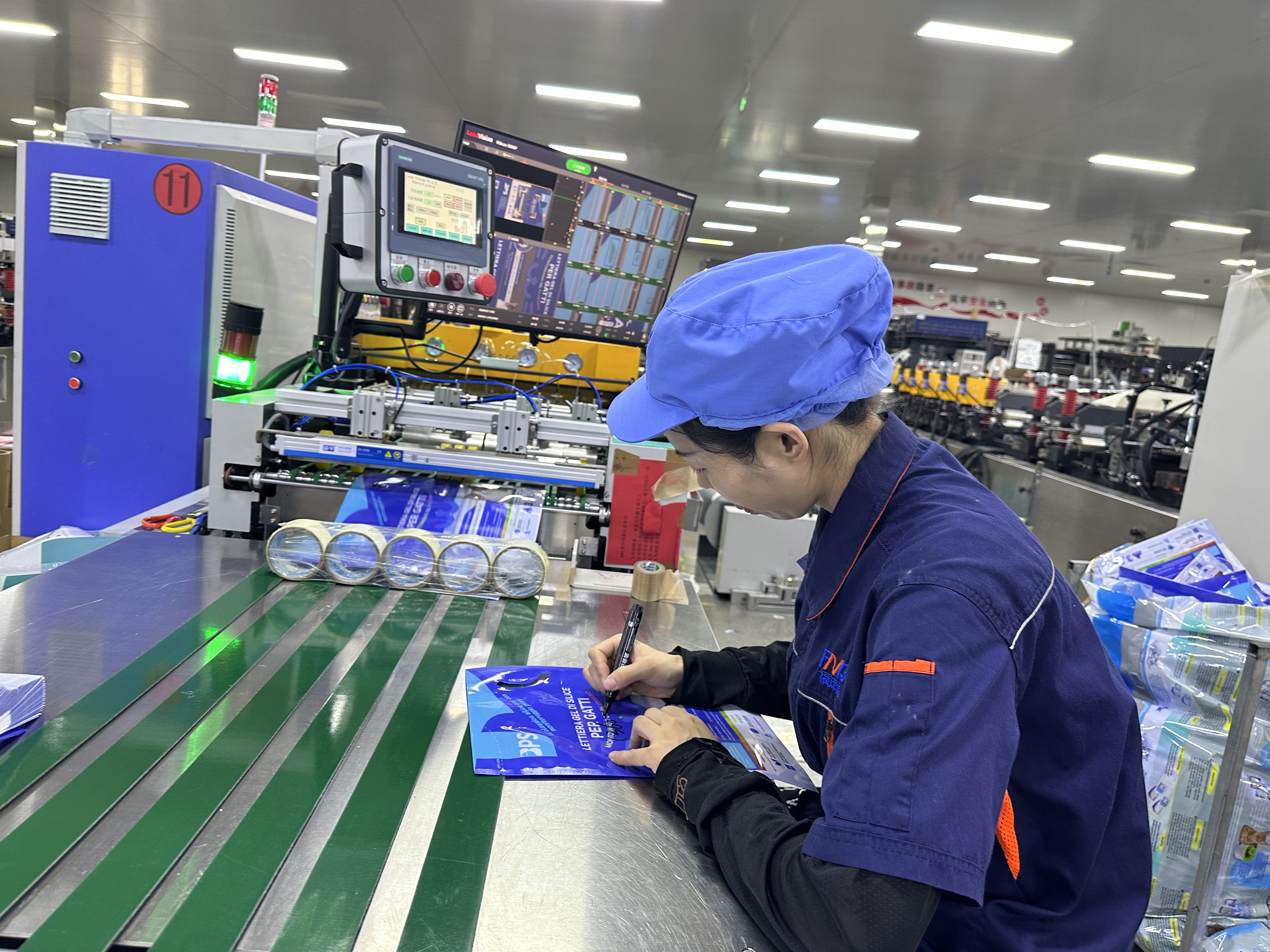
Seal contamination by crumbs, powder or oil can make an otherwise suitable material difficult to close consistently. Transport adds compression, vibration and puncture risks. Trial packs should therefore use the actual product and intended filling conditions. Check seal appearance and integrity, then assess the pack after the handling and storage conditions it will face. Shelf-life claims should come from a product-specific stability study; a film test alone cannot establish a final best-before date.
Questions to ask about test reports
Request the method, units, conditioning conditions, sample construction and date alongside each result. If comparing two proposals, ask for the same scope of testing on both. A meaningful trial may combine barrier results, seal checks, leak testing and product observation. The exact acceptance criteria should be agreed before production, particularly for export routes with long transit or varied climates.
Turn the buying discussion into a clear specification
A useful request for custom food packaging includes the food type, ingredients that affect sensitivity, net weight, target shelf life, expected storage conditions, filling machine, desired pouch dimensions, artwork, opening feature, sales market and forecast quantity. State whether the bag will hold roasted nuts, dried fruit or a mix. Include any product or material test results you already have. This gives a supplier enough context to propose structures for evaluation rather than guessing from the phrase “high-barrier bag.”
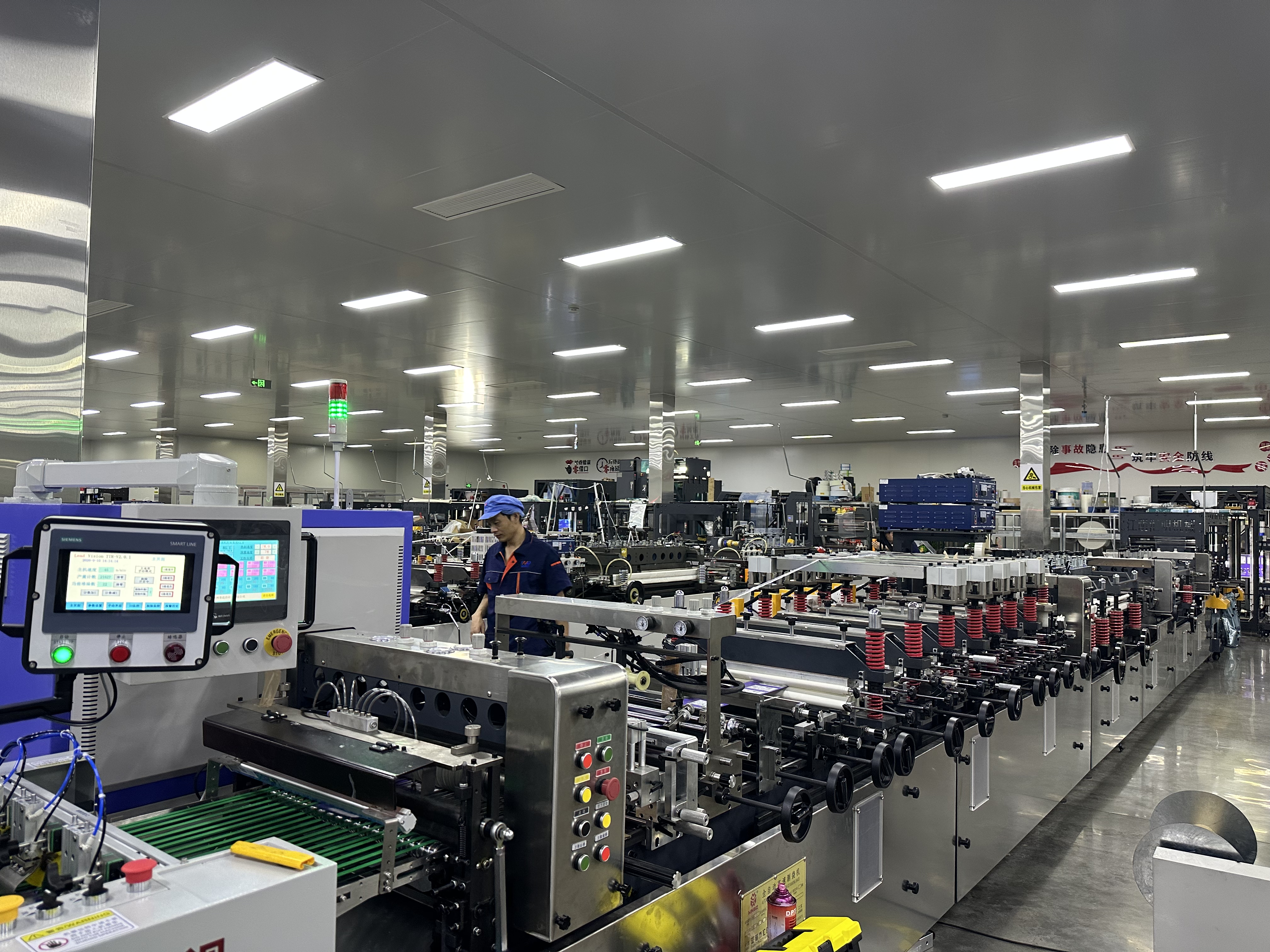
Qingdao Funuoda Packaging works with food and pet nutrition packaging formats, including printed bags and roll film. Its website describes printing, lamination, curing, slitting and bag making as managed production stages. The appropriate material and final performance for a new project still need to be confirmed through the brief, samples and agreed tests.
Six buyer questions
What food packaging bag is suitable for roasted nuts?
Start with an oxygen-barrier candidate and validate it against the required shelf life. Roasted nuts can be sensitive to oxidation, but the right barrier level depends on recipe, processing, fill conditions and storage. Request comparable OTR data and a finished-pack trial before ordering at scale.
Does dried fruit packaging need the same barrier as nuts packaging?
Usually the priorities differ. Moisture movement is often a central concern for dried fruit, while oxygen exposure is especially important for fatty nuts. A mixed pack may need to address both. Define the texture you want to preserve and test the actual product mixture.
Is a stand-up pouch with a zipper enough to keep snacks fresh?
No single zipper guarantees freshness. The unopened pouch still depends on its film structure, heat seals and filling process. A zipper mainly supports repeated use after opening; its benefit should be assessed alongside how consumers store the product.
How should I compare high-barrier food packaging materials?
Compare OTR and WVTR under matching conditions, then review seal integrity, handling performance and product stability in finished packs. Funuoda can discuss bag format and production requirements from a product brief, while any proposed structure should be confirmed with samples and measured results.
Can printed packaging film be used instead of premade pouches?
Yes, when the filling line is set up for roll-fed packaging and the film meets its operating and sealing requirements. Share machine details, target speed and pack dimensions. Funuoda's site lists printed roll film among its formats, but suitability for a particular line requires a trial.
Is a recyclable pouch automatically the best choice for nuts?
No. Check both product protection and the recycling route available where the pouch will be sold. A structure that is described as recycle-ready still needs to meet the food's barrier and handling needs, and collection differs by market. Ask for evidence tied to the exact pack design.
Sources and further reading
These sources inform the technical points above. The selection framework and buyer questions are original to this article; no performance figures or shelf-life outcomes are claimed for Funuoda products.
- Amcor, “How to choose barrier for nuts and dried fruits packaging” — product sensitivity, material choice and seal considerations.
- Smithers, “Oxygen and Water Vapor Permeability” — OTR and WVTR testing and their use in package development.
- Smithers, “Q&A Packaging Permeability and Barrier Performance” — why conversion and finished-pack design affect real-world barrier behaviour.
Discuss a food packaging project
Tell us what goes in the bag, how it will be filled and where it will be sold. We can start with the format and information needed for a meaningful sample discussion.
Send a packaging brief ↗